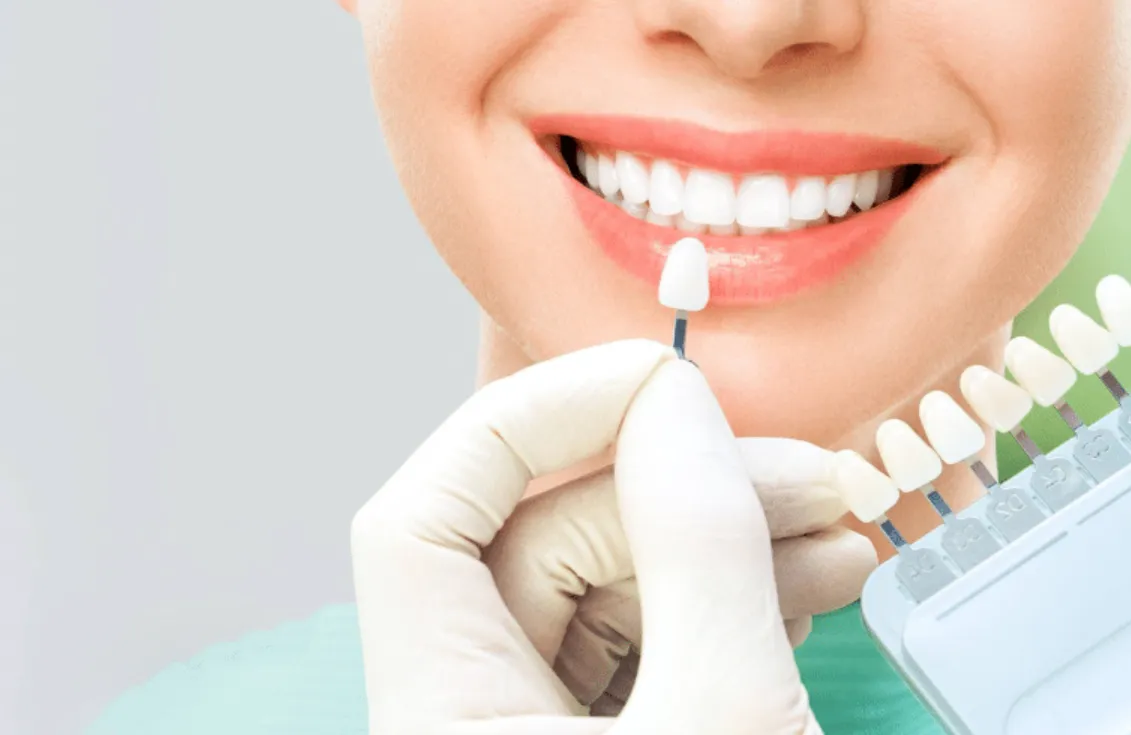
Modern veneer treatment is often discussed in the same breath as other smile-improving options such as whitening or orthodontic, patients might consider when a tooth is missing. Veneers, however, are about reshaping what is already there rather than replacing it, and that distinction matters. They are thin shells of porcelain or composite bonded to the front of teeth to correct chips, discolouration, small gaps, and minor misalignment. When done well, they blend with the rest of the smile and allow people to speak, eat, and laugh normally. When chosen without enough planning, they can be disappointing or unnecessarily destructive.
Before committing to any irreversible dental procedure, patients in London are increasingly asking sharper questions. That is healthy. Clinics vary widely in how they assess suitability, how they design the final result, and how they look after patients in the long term. Veneers are not a one-off beauty treatment but part of your ongoing oral health. They should sit comfortably with your bite, gum health, and daily habits such as grinding or clenching. Understanding how these factors interact is the best way to avoid surprises.
A short professional viewpoint helps set the tone. A dentist from MaryleboneSmileClinic recently noted that many people arrive with online images that do not match their face or tooth shape.” That guidance reflects a wider truth in dentistry: London veneers work best when they are planned around the individual rather than a generic smile template. With that in mind, the following six questions cover the main issues any patient should raise before treatment begins.
Contents
- 1 Am I actually a suitable candidate for veneers?
- 2 How much natural tooth will be removed, and why?
- 3 What materials are being used, and how will they look?
- 4 How long will the treatment take, and what is the process?
- 5 How will veneers affect my oral health in the long term?
- 6 What will the total cost be, and what does it include?
Am I actually a suitable candidate for veneers?
The first question is not about cost or colour but about suitability. Veneers require a healthy foundation, meaning teeth that are structurally sound and gums that are free from active disease. If there is untreated decay, gum inflammation, or heavy wear from grinding, placing veneers on top of those problems will only hide them temporarily. Over time the underlying issues can cause the veneers to fail or lead to discomfort. A responsible dentist in London will always carry out a full examination, often including X-rays and photographs, before recommending any cosmetic work.
Suitability also depends on what you want to change. Veneers can mask stains that do not respond to whitening, but if your teeth are simply yellow rather than intrinsically discoloured, whitening might be enough. Small gaps and minor crowding can be improved with veneers, yet more severe alignment problems may be better treated with orthodontics first. A good consultation should explain all reasonable alternatives, even if that means less cosmetic work. Patients sometimes assume veneers are the only route to a better smile, but in reality they are one option among many.
Lifestyle matters too. If you grind your teeth at night, bite hard objects, or play contact sports, veneers may need extra protection in the form of a night guard or mouthguard. None of this rules out treatment, but it changes how it should be planned. By asking whether you are truly a candidate rather than simply whether you can have veneers, you invite a more honest discussion about risks, longevity, and whether the procedure will meet your expectations.
How much natural tooth will be removed, and why?
One of the most common concerns about veneers is how much enamel must be taken away to make space for them. Modern techniques aim to be as conservative as possible, but some preparation is usually required to ensure the veneers sit flush with the rest of the tooth. Removing too little can lead to bulky, unnatural-looking teeth, while removing too much can weaken the tooth and make it more sensitive. The balance is delicate and depends on your starting tooth shape, colour, and alignment.
A skilled dentist will often use digital scans and mock-ups to show what the final result should look like before any drilling begins. From this, they can determine exactly where small amounts of enamel need to be reduced. In some cases, particularly when teeth are small or slightly set back, “no-prep” or minimal-prep veneers may be possible. In others, a bit more shaping is necessary to achieve a natural contour and proper bite. The key is that every decision should be explained, not assumed.
Understanding this process helps patients make an informed choice. Once enamel is removed, it does not grow back, which means veneers are usually a long-term commitment. They may need replacement after ten to fifteen years, sometimes sooner depending on wear and oral hygiene. By asking how much tooth will be altered and why, you ensure that the treatment is justified by a clear aesthetic and functional benefit rather than by convenience or speed.
What materials are being used, and how will they look?
Veneers are most commonly made from porcelain or composite resin, and the difference between them goes beyond price. Porcelain veneers are fabricated in a dental laboratory and tend to be more durable and stain resistant. They reflect light in a way that closely mimics natural enamel, which makes them popular for highly visible front teeth. Composite veneers are built up directly on the tooth by the dentist. They can look very good in the right hands, but they are more prone to staining and wear over time.
The choice of material should be linked to your goals and budget, not simply offered as a single package. Some patients prefer the slightly softer look of composite, while others want the crisp brightness of porcelain. Shade selection is equally important. A smile that is too white can appear artificial, particularly against British skin tones and in everyday lighting. Dentists usually work with shade guides and trial veneers to find a colour that brightens the smile without drawing unwanted attention.
Asking about materials also opens the door to discussing how the veneers will be made. Will a specialist ceramist be involved? Will you see a digital preview of your new smile? These details influence not only how the veneers look on day one but how they age. Well-crafted porcelain can maintain its appearance for many years, while poorly made veneers can chip, stain, or look dull. Understanding what goes into them helps justify the investment.
How long will the treatment take, and what is the process?
Veneer treatment is not usually a single appointment, and it should not be rushed. The process typically begins with a consultation and planning phase, followed by tooth preparation, impressions or digital scans, and the fitting of temporary veneers while the final ones are made. This can take a few weeks, during which you will need to be careful with what you eat and how you clean your teeth. Knowing this in advance helps avoid frustration and allows you to plan around work or social commitments.
During the fitting appointment, the dentist will try in the veneers to check their fit, colour, and bite before permanently bonding them. This is your chance to give feedback. Minor adjustments can often be made at this stage, but once the veneers are fixed, changes become more complicated. A thorough dentist will not rush this step, even if it means spending extra time in the chair. The goal is a result that feels as good as it looks.
It is also worth asking what happens if something goes wrong. If a veneer cracks or comes loose, how quickly can it be repaired? Does the clinic provide any form of guarantee? Clear answers to these practical questions build confidence and reduce anxiety. Veneers are an investment in both money and trust, and understanding the timeline and aftercare shows whether a practice is prepared to support you beyond the initial procedure.
How will veneers affect my oral health in the long term?
Cosmetic dentistry should never compromise oral health, yet veneers do change how teeth interact with the mouth. The margins where the veneer meets the natural tooth must be kept clean to prevent decay and gum disease. This means careful brushing, flossing, and regular professional cleaning are essential. A dentist should explain how to adapt your oral hygiene routine and what warning signs to watch for, such as redness or bleeding around the gums.
Bite alignment is another long-term consideration. Veneers that are too thick or poorly positioned can alter how the upper and lower teeth meet, leading to jaw discomfort or excessive wear. This is why a detailed bite assessment is part of responsible treatment planning. In some cases, small adjustments to the veneers or even a short course of orthodontics may be recommended to ensure everything works together harmoniously.
Patients sometimes compare veneers with other treatments they have heard about, including implants. They do not strengthen a weak tooth or stop underlying problems from progressing. Understanding this distinction reinforces the need for regular check-ups and honest communication with your dentist. Veneers can enhance a smile for many years, but only if they are supported by good overall dental care.
What will the total cost be, and what does it include?
Cost is often the final question, yet it should be one of the most detailed. Veneer prices in London vary widely depending on the material, the expertise of the dentist, and the laboratory involved. A clear quote should include consultations, imaging, temporary veneers, the final fitting, and any follow-up visits. It should also state what is not included, such as future replacements or repairs. Transparency here prevents misunderstandings later.
It is tempting to compare clinics purely on price, but that can be misleading. Cheaper veneers may use lower-quality materials or skip important planning steps, increasing the risk of problems. More expensive treatment should be justified by better diagnostics, skilled technicians, and comprehensive aftercare. Asking for a breakdown helps you see where your money is going and whether it aligns with your priorities.
Financing options are also worth discussing. Many practices offer payment plans that spread the cost over time, making treatment more accessible. By addressing money openly, you can decide whether veneers are the right choice now or whether another approach might suit you better. A smile should feel like a positive investment, not a financial strain, and a thoughtful conversation about cost is part of that balance.
Veneers can be a powerful way to change how you look and feel, but they work best when chosen with care and understanding. By asking these six questions, patients in London give themselves the best chance of achieving a natural, durable result that fits their life as well as their smile.