IVF is a medical treatment for infertility in which every couple gets a chance to become parents. In this process, the egg and sperm combine outside the body to create an embryo, which is later transferred to the uterus through embryo transfer treatment. IVF treatment is done for couples who are facing fertility issues such as blocked fallopian tubes, male factor infertility, ovulation disorders, unexplained infertility, genetic disorders, previous failed fertility treatments, and so on. In this blog, we will discuss how many stages there are in IVF treatment and also see what things should be kept in mind before IVF treatment.
Contents
What is IVF
The full form of IVF is In Vitro Fertilization. Now we break the form into two parts, first part is in vitro and second part is Fertilization. IVF is a medical treatment in which the female’s egg and the male’s sperm are fertilized outside the body in a laboratory dish and then transferred into the woman’s body. This process is a pregnancy process in which couples who do not have children get the chance to have a child. This process is also known as the test tube baby process. It removes infertility caused and also helps in preventing genetic problems of children.
What are the Stages of IVF
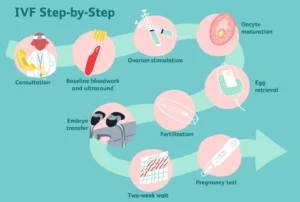
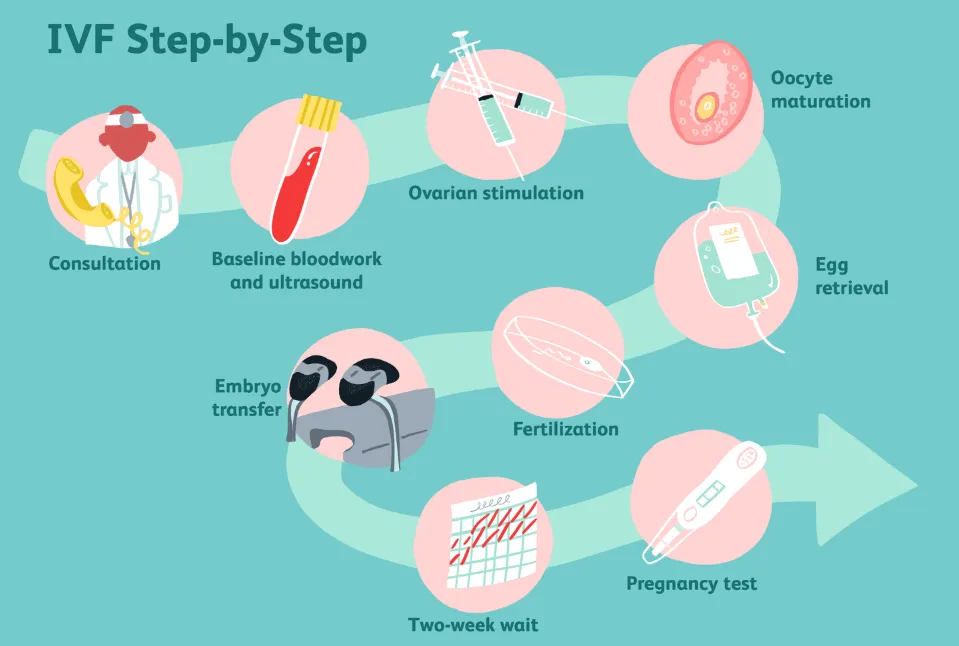
IVF has the stage in different parts and we will discuss that stage step by step.
Ovarian Stimulation
In the first step of IVF the woman is given hormone injections for about 8-14 days to stimulate the ovaries to produce multiple eggs instead of just one. Doctors check the growth of eggs from ultrasound and blood tests. When the eggs mature, a final injection is given to collect them. This procedure increases the chances of obtaining healthy eggs for fertilization. Doctors take care that the ovaries are responding properly to the medicine or not.
Egg and Sperm Retrieval
Egg retrieval is a small step in which mature eggs are collected from the ovaries. This treatment is often done 34 to 36 hours after the final injection. The doctor removes the eggs using a thin needle connected to an ultrasound device and this treatment lasts for 20 minutes. Eggs are collected and sent to the laboratory for fertilization. Women recover very quickly after egg retrieval. On the day of egg retrieval, the doctor asks for your partner’s sperm for fertilization.
Fertilization
Once the egg and sperm retrieval procedure is complete, the collected eggs are combined with healthy sperm in the laboratory. It is also known as fertilization. In many situations, it has been seen that using Intracytoplasmic Sperm Injection, ICSI is a special technology by which single sperm is directly injected into a single egg. Doctors keep the fertilized eggs in the laboratory so that they can properly check whether the eggs are growing or not. Healthy fertilized eggs divide into cells and then convert into an embryo. This is an important stage where pregnancy begins.
Embryo Development
When the above steps are completed then embryo development starts. The doctors keep the embryos in the laboratory for a few days and there the doctors check the quality and overall health of the embryos. Cells keep dividing and growing at the same time and embryos are grown for 3 to 5 days before transfer. Healthy embryos are selected for implantation, which increases the chances of pregnancy and extra healthy embryos are stored for future use. For successful IVF treatment, it is important for the embryos to develop properly.
Embryo Transfer
When embryo development is completed then embryo transfer starts. In this process, healthy embryos are transferred into the woman’s uterus using thin flexible tubes. This treatment is quite easy due to which it does not require any pain and takes less time. The pregnancy test is done approximately two weeks after embryo transfer.
Types of Embryos Transfer
There are two types of embryo transfer such as fresh embryo transfer and frozen embryo transfer.
Fresh Embryo Transfer
A fresh embryo transfer is a healthy embryo transferred into the woman’s uterus using thin flexible tubes. There are many factors which say that having fresh embryos transferred is a good procedure.
- High grade embryo
- Balanced hormones help in steady progesterone and oestrogen levels
- Healthy weight like a body mass index between 19 and 30 helps implantation.
- Positive habits such as no smoking, limited caffeine, regular sleep and stress management.
- Quality lab environments like clean air and good culture media
Frozen Embryo Transfer
Frozen embryo transfer is a procedure in which already present preserved embryos are thawed and placed in the uterus. Here are some tips that will improve your procedure rate.
- Eat a healthy diet
- Do not smoke or drink
- Stay physically active
- Eliminate or reduce stress
- Rest and hydrate
How Long Does an IVF Cycle Take?
IVF treatment is different for every person depending on their condition, including health conditions, fertility diagnosis, age and so on. This process may take 4 to 6 weeks because the timeline of this process is that every person is different. But every IVF treatment follows the same rules. Such as ovarian stimulation takes 8 to 14 days, egg retrieval takes 1 day, fertilization takes 1 day, embryo development takes 3 to 5 days and embryo transfer takes 1 day and after 2 weeks the pregnancy test is done.
What Are the Side Effects of IVF?
There are many side effects women facing IVF treatment such as.
- Mood swings
- Hot flashes
- Fatigue
- Headache
- Abdominal cramping
- Vaginal bleeding
- Soreness or rushing at the injection site
- Breast tenderness
Prepare for IVF Procedure
Before the IVF process, both males and females have to undergo their medical checkup and some things have to be kept in mind such as.
- IVF consultation
- A uterine exam, up-to-date Pap test and mammogram
- A semen analysis
- Screening for sexually transmitted infections and other infectious diseases
- Ovarian reserve testing, blood and urine tests
- Instructions on how to administer fertility medications
- Genetics carrier screening
- Sign consent forms
- Uterine cavity evaluation
Maintenance
Before starting IVF treatment, discuss your medical history in detail with the doctor and go for regular check-ups so that your medical reports are up to date. At this time, couples should eat foods that support health and contain proteins, vitamins and minerals. They should also do regular exercise on a daily basis so that healthy weight can be maintained and stress can also be reduced. Avoid harmful substances during treatment like quit smoking, limit alcohol intake, avoid drugs and so on.
Conclusion
IVF is a good option for couples who want to experience the joy of becoming parents, and it is also an important part of modern health tourism. Before starting this process, advice from an IVF consultant or doctor is important. There are five stages in this treatment, taking about 20 to 25 days. Women receive hormone injections to produce multiple eggs, which are then collected along with sperm and combined in a lab to form an embryo. The embryo is transferred into the uterus, and pregnancy testing is done after two weeks with regular medical check-ups.